
Fiber, fluids, and hemorrhoid symptoms
NIDDK points to 14 grams of fiber per 1,000 calories, and 28 grams as the example for a 2,000-calorie diet. Mayo Clinic says to add fiber slowly, and to drink at least eight glasses of fluid a day if you use a fiber supplement.
By ahem. Published October 25, 2026.
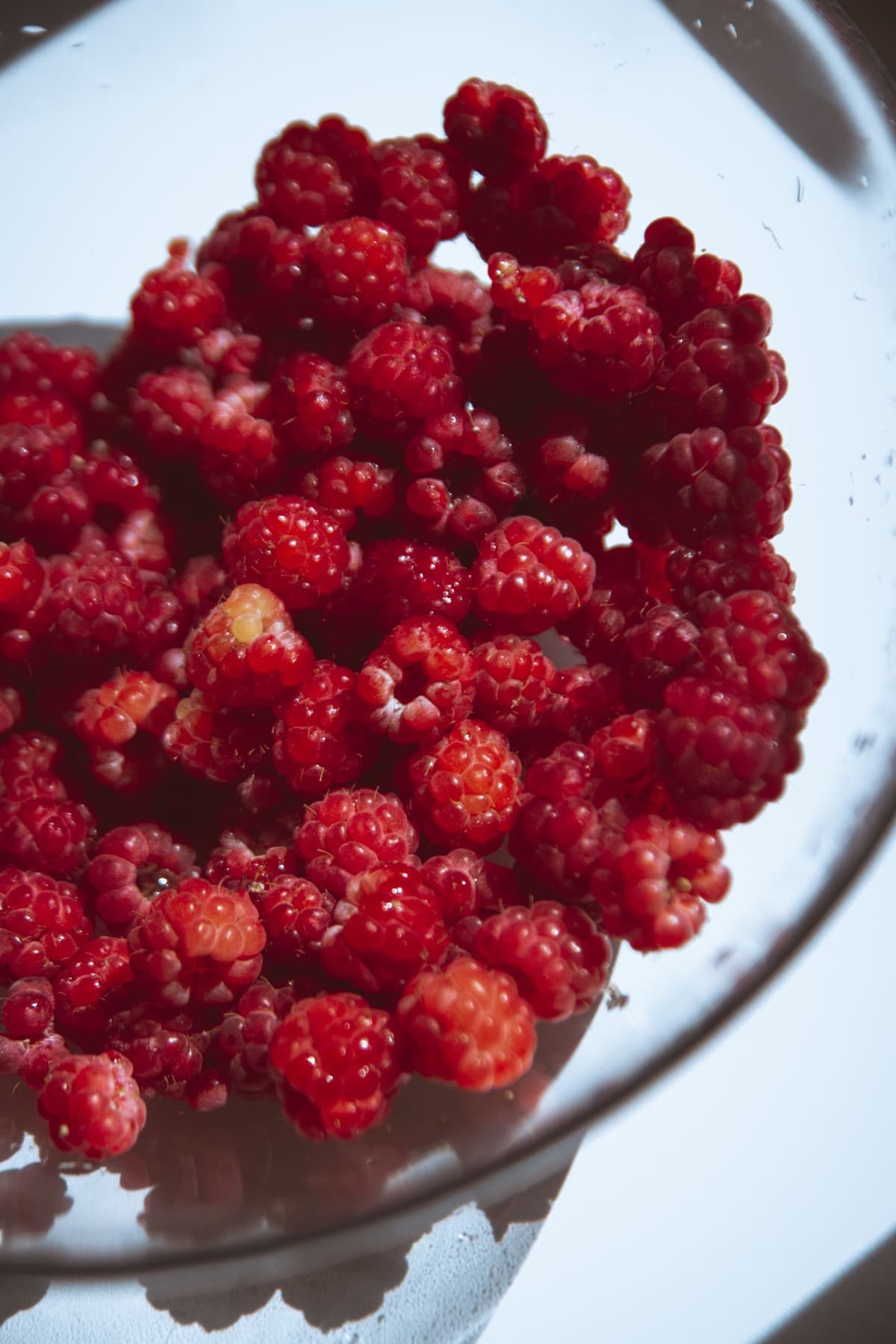
The amount NIDDK cites
This is general diet information from two public pages. It is not a meal plan. ahem has not tested fiber supplements and does not sell one.
NIDDK's diet page was last reviewed in October 2016 and was opened on October 25, 2026. It says a doctor may recommend more high-fiber food because fiber can make stools softer and easier to pass, and can help treat and prevent hemorrhoids. It cites the Dietary Guidelines for Americans, 2020-2025, for 14 grams of fiber per 1,000 calories. The example on that page is 28 grams a day for a 2,000-calorie diet.
The same page says the grams are on the nutrition facts label, and that a doctor or dietitian can help you add high-fiber foods. It also says to ask a clinician how much to drink each day, based on your health, activity, and where you live. That is a different instruction from a single glass count.
A few foods from NIDDK's table
The table on the page checked October 25, 2026, is longer than this list. These four rows are copied from it so the gram figure is not only a slogan:
- 1/2 cup of high-fiber bran cereal: 14.0 grams.
- 1 cup of raspberries: 8.0 grams.
- 1/2 cup of cooked navy beans: 9.6 grams.
- 1 medium pear, with skin: 5.5 grams.
NIDDK also says that if hemorrhoids are caused by chronic constipation, it helps to avoid eating too many foods with little or no fiber. The examples on that page are cheese, chips, fast food, ice cream, meat, and some prepared or processed foods, including hot dogs and some frozen meals.
Supplements, and the water warning
NIDDK's treatment page lists a stool softener or a fiber supplement such as psyllium or methylcellulose, and gives Metamucil and Citrucel as the examples of those two fibers. Mayo Clinic's symptoms page, dated August 23, 2025, says studies have shown that nonprescription fiber supplements such as psyllium or methylcellulose can lessen hemorrhoid symptoms and bleeding. Mayo Clinic names Metamucil, Konsyl, and Citrucel as examples. ahem has not compared those brands.
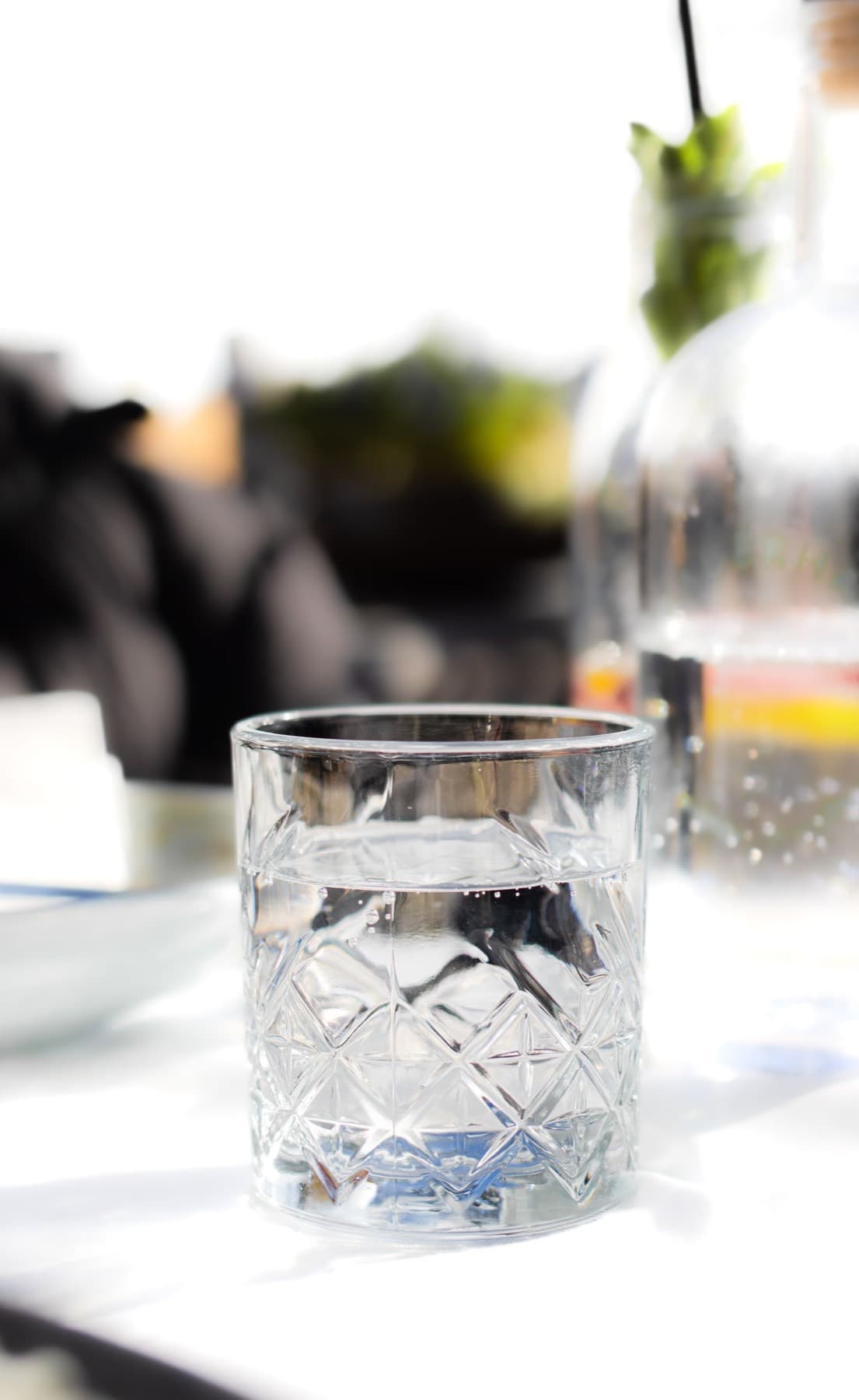
On that same Mayo Clinic page, checked October 25, 2026, the instruction that sits next to supplements is to drink at least eight glasses of water or other fluids every day. Without that fluid, Mayo Clinic says the supplements can cause constipation or make it worse. Elsewhere on the page, Mayo Clinic says 6 to 8 glasses of water and other liquids a day can help keep stools soft, as a prevention step, and that avoiding alcohol may help. Those are two Mayo Clinic sentences. They are not one number to average.
Mayo Clinic also says to add fiber slowly, because a sudden increase can cause gas. NIDDK's symptoms page lists a low-fiber diet among the causes of hemorrhoids, next to straining, long sits on the toilet, constipation or diarrhea, pregnancy, aging tissues, and often lifting heavy objects.
What fiber does not settle
A higher-fiber week does not decide whether bleeding can wait. NIDDK still says to seek a doctor's help for rectal bleeding, or if symptoms continue after a week of home care. Creams, baths, and that one-week check are on what actually helps with hemorrhoids. How long symptoms usually last is a separate page, how long hemorrhoid symptoms usually last.
Sources
- Eating, Diet, and Nutrition for Hemorrhoids. National Institute of Diabetes and Digestive and Kidney Diseases. Accessed October 25, 2026. NIDDK last reviewed this page in October 2016. It cites the Dietary Guidelines for Americans, 2020-2025.
- Treatment of Hemorrhoids. National Institute of Diabetes and Digestive and Kidney Diseases. Accessed October 25, 2026. NIDDK last reviewed this page in October 2016.
- Symptoms and Causes of Hemorrhoids. National Institute of Diabetes and Digestive and Kidney Diseases. Accessed October 25, 2026. NIDDK last reviewed this page in October 2016.
- Hemorrhoids: Symptoms and causes. Mayo Clinic. Accessed October 25, 2026. Mayo Clinic dates this page August 23, 2025.
General information, not personal medical advice. We have not compared brands. If this disagrees with a label you already have, follow the label.